
Advertisements
Here’s something wild – the average American spends about $12,000 per year on their vehicle, according to AAA’s latest research. That’s basically a decent vacation home payment! When I bought my first car at 23, I thought I was being super smart by getting a “reliable” used sedan for $8,000 cash. No car payments meant I was winning at adulting, right?
Wrong.
What nobody tells you is that the sticker price is just the beginning of the money pit. Let me walk you through the real costs of car ownership, because honestly, I wish someone had sat me down and explained this stuff before I signed those papers.
Insurance: The Monthly Bill That Never Goes Away
My insurance was the first wake-up call. I figured maybe $100 a month, tops. Then I got quoted $215 monthly because I was under 25 and male – apparently the worst combination in insurance land. Even now in my 40s, I’m still paying around $150 a month for full coverage on a mid-range SUV.
The thing about auto insurance costs is they vary like crazy depending on where you live, your driving record, and what kind of vehicle you’re insuring. My buddy in rural Montana pays half what I do in the suburbs, which seems totally unfair but whatever.
Gas Money Adds Up Faster Than You Think
I used to grab coffee daily without thinking twice, but somehow I was shocked when my monthly fuel expenses hit $250. With gas prices doing their rollercoaster thing (thanks, global economy), this cost can swing wildly from month to month.
Here’s a pro tip I learned the hard way: actually calculate your commute costs. Multiply your miles driven per week by 52, divide by your car’s MPG, then multiply by your local gas price. When I did this math, I nearly fell off my chair – my “affordable” 15-mile commute was costing me over $3,000 annually in fuel alone!
Maintenance and Repairs: The Sneaky Budget Killers
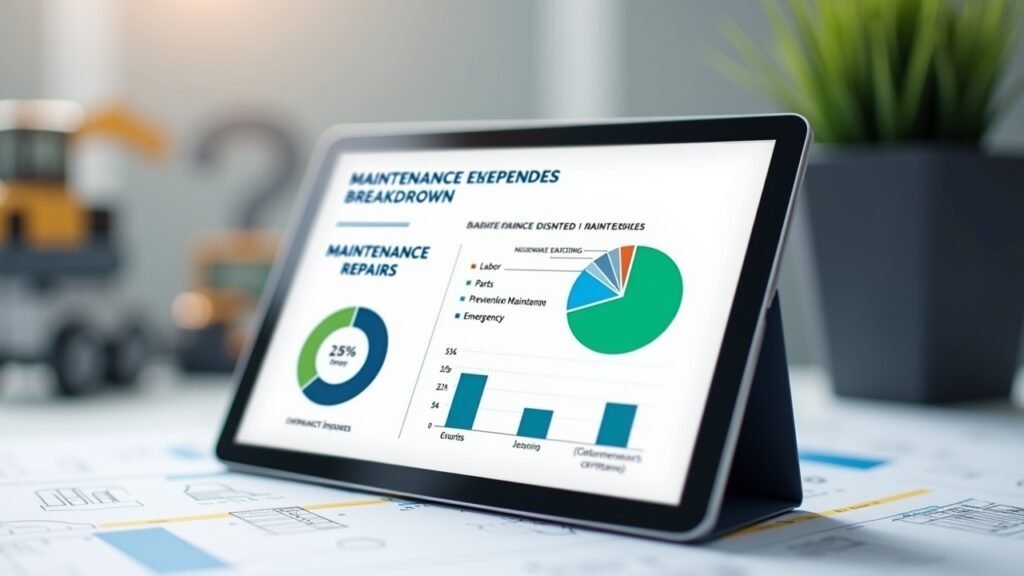
This is where my “reliable” used car fantasy completely fell apart. Sure, oil changes every 3-5 months weren’t breaking the bank at around $50-75 each. But then the transmission started making this weird grinding noise, and suddenly I was staring at a $2,800 repair bill.
The true cost of ownership includes regular maintenance like tire rotations, brake pad replacements, and battery changes. I learned to budget about $1,200 per year for routine maintenance, plus an emergency fund for those surprise repairs that always seem to happen right before the holidays.
The Maintenance Schedule Nobody Follows
- Oil changes every 3,000-5,000 miles
- Tire rotation every 6,000-8,000 miles
- New tires every 50,000 miles (around $600-1,000)
- Brake pads every 40,000 miles
- Battery replacement every 3-5 years
Yeah, I didn’t follow these either until my car started leaving me stranded. Not fun.
Depreciation: The Silent Wealth Killer
This one’s sneaky because you don’t see it leaving your bank account, but vehicle depreciation is brutal. New cars lose about 20% of their value the moment you drive off the lot – which is insane when you think about it! My sister bought a brand new sedan for $32,000 in 2020, and it was worth maybe $22,000 just two years later.
Even used cars depreciate, though thankfully at a slower rate. The average car loses about 15-25% of its value each year for the first five years. That’s real money evaporating into thin air, even if it don’t feel like a monthly expense.
Registration, Taxes, and Fees
Every state hits you differently with registration fees and personal property taxes on vehicles. In my state, I pay about $180 annually for registration plus another $400 in personal property tax because apparently owning stuff means you gotta pay for the privilege of continuing to own that stuff.
Some states like Oregon have higher registration fees, while others like Montana keep them pretty low. It’s worth checking your local DMV website to see what you’ll actually owe each year.
Parking and Tolls (If You’re Really Lucky)
I don’t deal with this much in the suburbs, but my cousin in Chicago spends $300 monthly just for parking at his apartment! Add in toll roads, parking meters for errands, and the occasional parking ticket when you’re running late, and these small costs add up to real money fast.
Your Financial Road Map

Look, I’m not trying to scare you away from car ownership – I still drive daily and honestly couldn’t function without my vehicle. But knowing the total cost of ownership helped me make smarter decisions about what I could actually afford versus what the dealership said I could afford (two very different numbers, trust me).
The real lesson here? Budget for about 15-20% more than you think you’ll need for car expenses. That emergency fund has saved my butt more times than I can count. Create a separate savings account just for car stuff, and throw money in there monthly so you’re not caught off guard when the check engine light inevitably comes on.
Want to dive deeper into managing your money and making smarter financial decisions? Head over to Money Mythos where we break down all sorts of financial topics in plain English – no stuffy financial advisor speak, I promise!