Advertisements

HSA Investing Guide: How I Turned My Health Savings Account Into a Stealth Retirement Fund
Here’s a stat that honestly blew my mind when I first heard it — less than 9% of HSA holders actually invest their funds beyond cash. That means the vast majority of people are just letting their money sit there, barely earning interest, when it could be growing tax-free for decades. I was one of those people for years, and man, do I regret it!
If you’ve got a Health Savings Account and you’re not investing it, pull up a chair. This HSA investing guide is the one I wish someone had handed me back in 2016 when I first opened mine and treated it like a glorified checking account.
What Even Is an HSA (and Why Should You Care)?
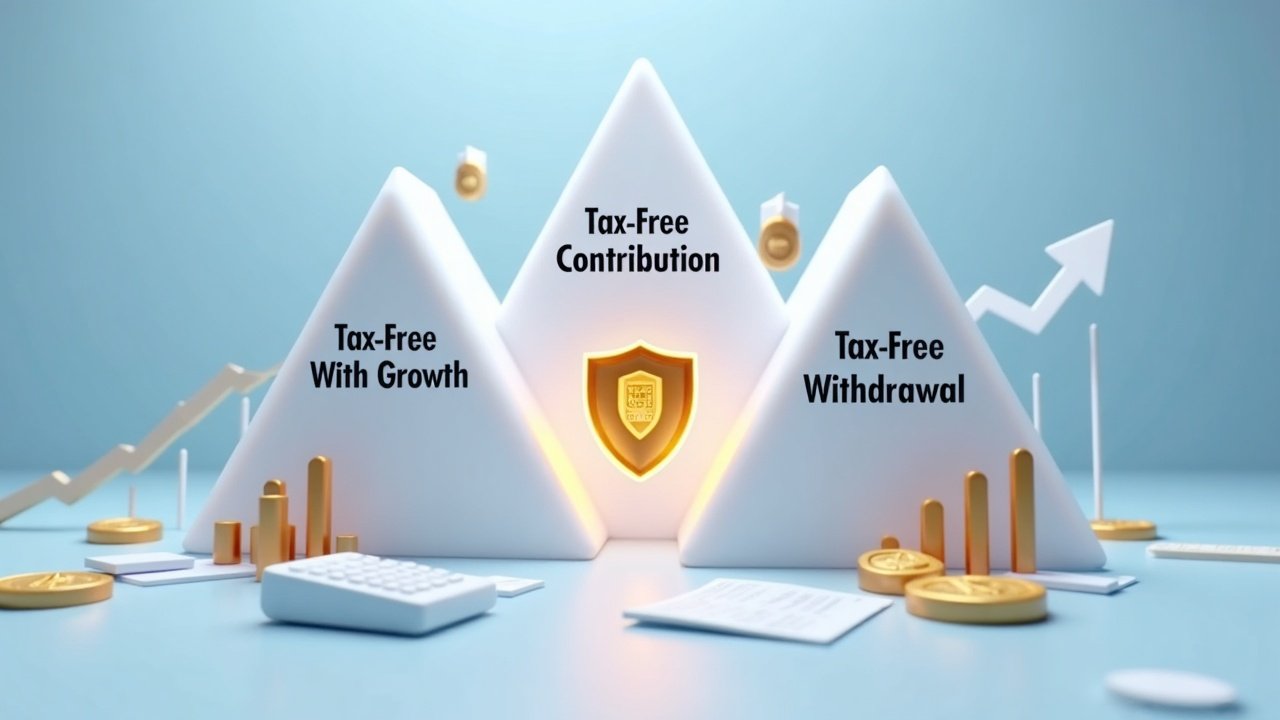
A Health Savings Account is a tax-advantaged account available to people enrolled in a high-deductible health plan (HDHP). You get a triple tax advantage — contributions are tax-deductible, growth is tax-free, and withdrawals for qualified medical expenses are also tax-free. Honestly, no other account in the entire tax code gives you all three.
For 2024, you can contribute up to $4,150 for individual coverage or $8,300 for family coverage. If you’re 55 or older, there’s an extra $1,000 catch-up contribution allowed. These limits get adjusted almost every year, so it’s worth keeping an eye on IRS Publication 969 for updates.
My Biggest Mistake: Letting Cash Just Sit There
So here’s my embarrassing confession. For the first three years I had my HSA, I just let the money pile up in the default cash position earning like 0.01% interest. I didn’t even realize investing was an option — nobody told me!
When I finally figured it out, I had nearly $8,000 sitting there doing absolutely nothing. A quick back-of-the-napkin calculation showed me I’d missed out on roughly $1,200 in potential gains during that period. That stung a little, not gonna lie.
How to Actually Start Investing Your HSA
First things first — you need to check if your HSA provider even offers investment options. Some of the bigger ones like Fidelity and Lively give you access to a solid range of index funds and ETFs. Others are, well, pretty terrible with limited choices and high fees.
Here’s what I’d recommend based on what actually worked for me:
- Keep a cash buffer for near-term medical expenses — I keep about $2,000 liquid at all times.
- Invest everything above that buffer into low-cost index funds, something like a total stock market fund.
- Don’t overthink the asset allocation — your HSA is a long-term account, so you can afford to be aggressive.
- Pay current medical bills out of pocket if you can, and let the HSA investments compound.
That last point is the real secret sauce of HSA investing strategy. You pay for doctor visits and prescriptions with regular money now, save your receipts, and let your HSA grow untouched for years. Then you can reimburse yourself decades later — there’s no time limit on reimbursements.
Picking the Right Investments
I’m not a financial advisor, so take this with a grain of salt. But personally, I keep it dead simple with a broad market index fund like VTI or its mutual fund equivalent. Expense ratios matter a lot here because high fees will eat into that beautiful tax-free growth over time.
Some HSA providers charge monthly investment fees on top of fund expense ratios, which is honestly annoying. If yours does, it might be worth transferring to a provider like Fidelity that charges zero account fees. I made that switch in 2021 and it was been one of the best financial moves I’ve made.
The Long Game: HSA as a Retirement Account
Here’s where things get really exciting. After age 65, your HSA basically functions like a traditional IRA — you can withdraw funds for any purpose and just pay ordinary income tax on non-medical withdrawals. For medical expenses, it’s still completely tax-free.
When you think about the fact that the average retired couple needs around $315,000 for healthcare costs in retirement, having a well-invested HSA is a total game changer. It’s basically a dedicated medical retirement fund that most people are sleeping on.
Your Future Self Will Thank You
Look, I can’t go back and un-waste those three years of letting cash sit idle. But I can tell you that since I started investing my HSA contributions, the account has grown way faster than I expected. The combination of tax-free growth and consistent contributions is seriously powerful.
Everyone’s situation is different, so adjust this HSA investing guide to fit your health needs and risk tolerance. If you’ve got ongoing medical costs, keep more in cash — that’s totally fine. And always consult with a tax professional before making big moves with tax-advantaged accounts.
Want more practical money tips like this? Head over to Money Mythos and browse around — we’ve got plenty of guides to help you make smarter financial decisions without all the Wall Street jargon.