Advertisements
Picking Mutual Funds: What I Wish Someone Had Told Me Before I Lost $3,000
Here’s a stat that still blows my mind — over half of American households own mutual funds, yet most people I talk to have no clue how they actually picked theirs. I was one of those people! Back in 2016, I dumped money into a fund because my coworker said it was “solid,” and honestly, that was the extent of my research.
Picking mutual funds doesn’t have to feel like throwing darts blindfolded. But it does take a little homework, and I learned that the hard way.
Why I Got It Wrong the First Time
So here’s what happened. My buddy at work kept bragging about his returns, and I got jealous — plain and simple. I opened a brokerage account, typed in the fund ticker he gave me, and hit buy without even looking at the expense ratio.
Turns out, I was paying 1.2% in annual fees on a fund that was barely keeping up with the S&P 500. That doesn’t sound like much, but over time those fees ate into my returns like termites in a wooden house. I lost about $3,000 in potential gains over three years before I wised up.
Start With What You’re Actually Investing For
This sounds obvious, but nobody does it. Before you even look at a single fund, sit down and figure out your investment goals. Are you saving for retirement in 25 years, or do you need this money for a house down payment in five?
Your time horizon changes everything. A young investor can handle more risk with aggressive growth funds, while someone closer to retirement probably wants bond funds or balanced funds. I made the mistake of picking a high-risk small-cap fund when I actually needed the money within a few years — not my brightest moment.
The Expense Ratio Is Everything (Seriously)
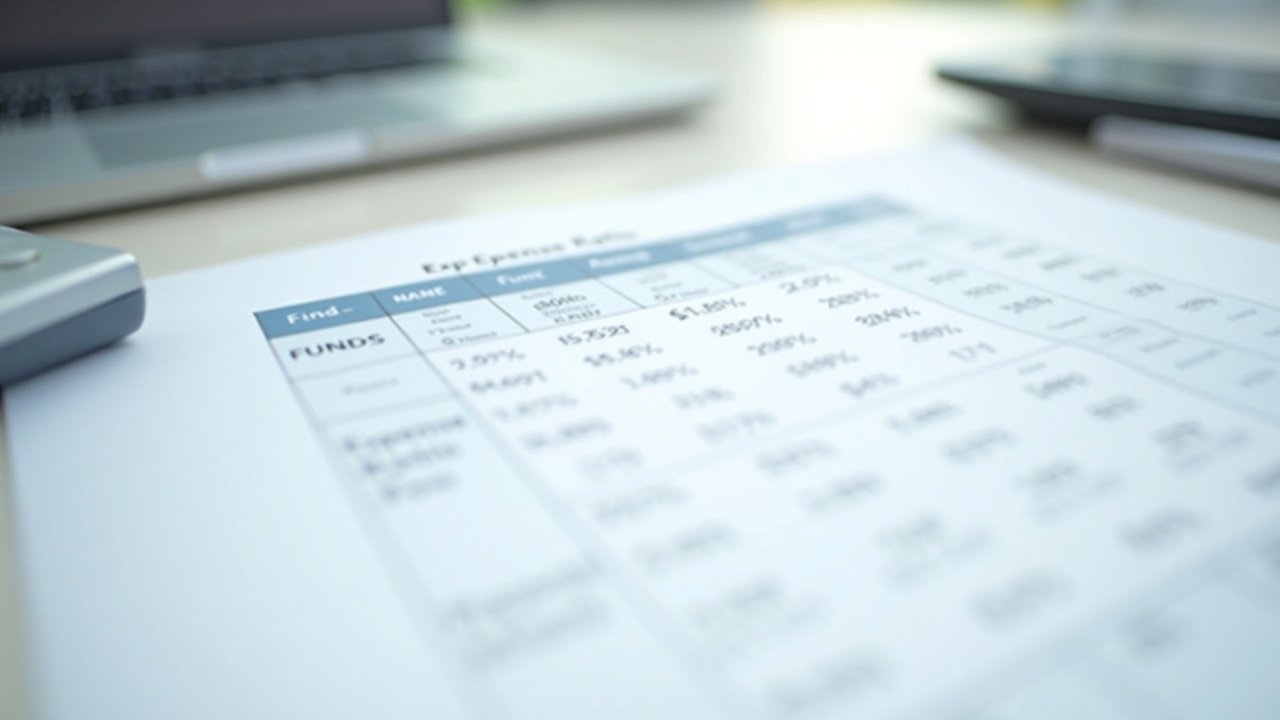
If you take one thing away from this article, let it be this. The expense ratio is the annual fee the fund charges you, expressed as a percentage. And it matters way more than most people think.
Index funds like those from Vanguard or Fidelity often have expense ratios below 0.10%. Actively managed funds can charge 0.50% to over 1.00%. Over a 30-year investment period, that difference could cost you tens of thousands of dollars.
I now have a personal rule — I won’t touch anything above 0.20% unless there’s a really compelling reason. It’s saved me a ton of money.
Past Performance Is a Trap
Every single mutual fund prospectus says “past performance does not guarantee future results,” and every single investor ignores it. I know because I was one of them. A fund that returned 15% last year looks incredibly tempting, but chasing returns is basically how you end up buying high and selling low.
Instead, look at how a fund performs relative to its benchmark over 5 or 10 years. Consistency matters more than one flashy year. The Morningstar rating system is actually pretty helpful here for comparing fund performance.
Diversification Isn’t Just a Buzzword
One thing I got right early on was not putting all my eggs in one basket. Well, sort of. I had three different funds, but they were all large-cap U.S. stock funds — so basically the same basket with different labels on it.
Real diversification means spreading your money across asset classes. Think domestic stocks, international stocks, bonds, and maybe some real estate funds. A solid asset allocation strategy reduces your overall portfolio risk without necessarily sacrificing returns.
Quick Checklist for Picking Mutual Funds
- Define your investment timeline and risk tolerance first
- Compare expense ratios — lower is almost always better
- Look at 5-10 year performance, not just last year’s returns
- Check the fund manager’s track record and tenure
- Make sure your funds are actually diversified across sectors and asset classes
- Read the fund prospectus (yes, really)
Your Money, Your Homework
Look, picking mutual funds isn’t rocket science, but it ain’t something you should do on a whim either. Take the time to understand fees, match your funds to your goals, and diversify properly. What works for your coworker or your uncle might be totally wrong for you.
And please — don’t let fear of making mistakes stop you from investing at all. My $3,000 mistake still taught me more than any textbook ever could. Start small, stay curious, and keep learning.
If you found this helpful, make sure to check out more posts on Money Mythos where we break down personal finance topics without all the Wall Street jargon. Your future self will thank you!