Advertisements

How to Plan a Sabbatical Financially Without Losing Your Mind (or Your Savings)
Here’s a stat that honestly blew me away — according to a SHRM survey, sabbatical leave offerings have been steadily rising, yet most people never take one because they’re terrified of the money side. I get it. I was one of those people for years. But let me tell you, learning how to plan a sabbatical financially was one of the best things I ever did for my career and my sanity!
Whether you want three months off to travel, write a book, or just stare at your ceiling without a Slack notification pinging every eight seconds, having a solid financial plan makes the whole thing actually possible. So let me walk you through what I learned — mistakes and all.
Figure Out Your “Magic Number” First
Before anything else, you need to know exactly how much your life costs. I’m not talking about some vague “oh, I spend about $3,000 a month” guess. I mean sitting down and tracking every single expense for at least two or three months.
When I did this, I was genuinely shocked. Turns out I was spending way more on subscriptions and takeout than I thought — like, embarrassingly more. Use a tool like YNAB or even a simple spreadsheet to calculate your monthly living expenses accurately.
Once you’ve got that baseline number, multiply it by the number of months you plan to take off, then add a 15-20% buffer for emergencies. That’s your magic number. Mine ended up being around $18,000 for a four-month sabbatical, and honestly that buffer saved me when my car decided to have a breakdown in month two.
Start a Dedicated Sabbatical Fund
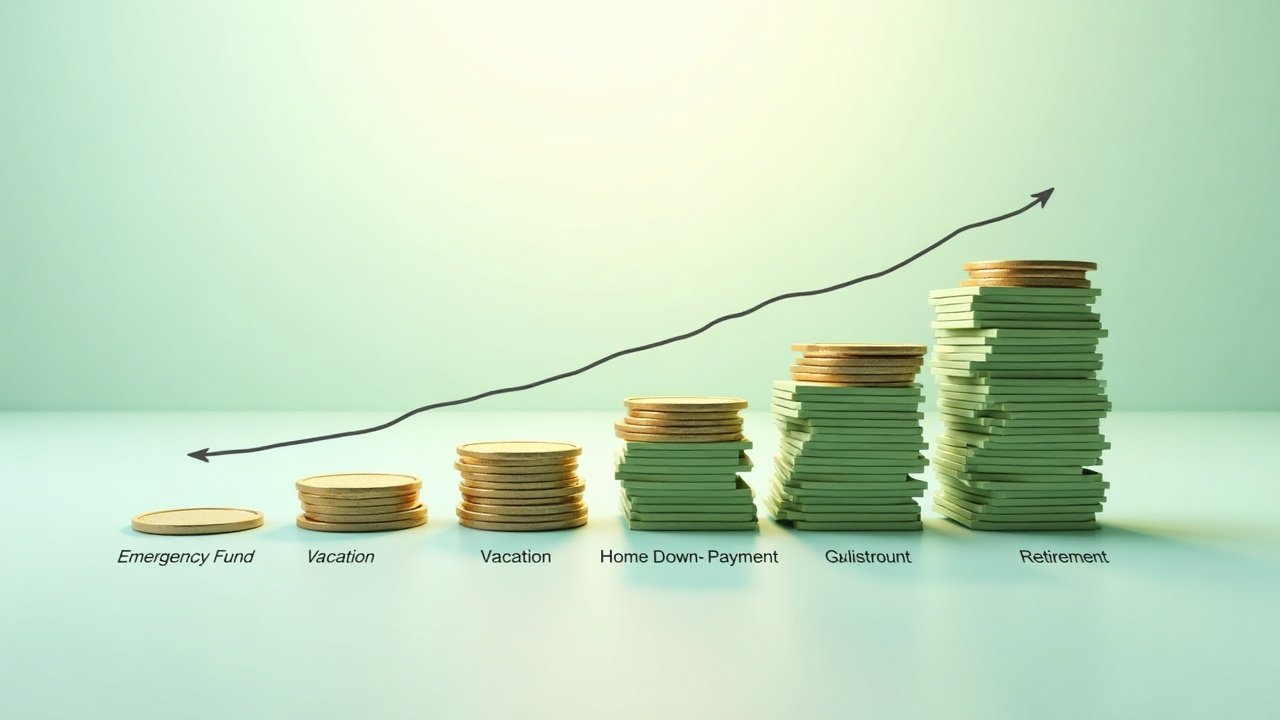
This was a game changer for me. I opened a separate high-yield savings account specifically for my sabbatical savings — kept it totally apart from my emergency fund and regular checking. Mixing them together is a recipe for disaster, trust me.
I set up automatic transfers every payday. Even $200 or $300 per paycheck adds up faster than you’d think. The key is to treat it like a bill you can’t skip, not something optional.
It took me about 14 months to save enough, and there were definitely moments where I wanted to dip into it for a weekend trip or some gadget I didn’t need. Don’t do it. Future-you on that sabbatical will be so grateful.
Cut the Financial Fat Before You Leave
Here’s where things get real. About three months before my sabbatical started, I went on a hardcore expense audit. Cancelled streaming services I barely watched, negotiated my phone bill down, and paused my gym membership in favor of running outside.
You’d be surprised how much you can trim without feeling deprived. I managed to reduce my monthly expenses by almost 30%, which meant my sabbatical fund stretched even further. A good starting point is using a site like NerdWallet’s budget worksheet to identify areas where you’re bleeding money.
Also — and this is something nobody talks about — look into your health insurance options early. Losing employer-sponsored coverage during a career break can be incredibly expensive if you’re not prepared. COBRA, marketplace plans, or even short-term health insurance should be researched well in advance.
Consider Side Income Streams
Okay so here’s where I kinda messed up the first time around. I assumed my sabbatical meant zero work whatsoever. Noble idea, terrible execution. Having even a small passive income stream during your time off takes so much pressure off your savings.
I ended up doing some freelance writing and selling a small digital product I’d created before leaving. It wasn’t a ton of money — maybe $500 to $800 a month — but it covered groceries and gave me peace of mind. Think about what skills you could monetize without it feeling like a full-time job.
Don’t Forget About the Return
One thing that caught me off guard was the re-entry cost. Coming back from a sabbatical sometimes means new work clothes, professional development courses, or even a gap in your paycheck timing. Budget for at least one extra month of expenses beyond your planned return date.
Your Turn to Make It Happen
Look, planning a sabbatical financially isn’t rocket science, but it does require intentionality and a little discipline. Everyone’s situation is different, so adjust these tips to fit your life, your income, and your goals. The important thing is to start now — even if your sabbatical is two years away.
If you found this helpful, head over to Money Mythos for more practical guides on saving, budgeting, and building the financial life you actually want. You got this!