The Freelance Finances Guide I Wish I Had When I Started

Advertisements
Here’s a stat that honestly still keeps me up at night: according to a 2023 Upwork study, nearly 64 million Americans freelanced last year, yet a huge chunk of them have zero financial plan in place. I was one of those people back in 2018. No budget, no tax savings account, no clue — just vibes and an invoice template I found on Google.
If you’re freelancing right now or thinking about making the leap, getting your money situation figured out isn’t optional. It’s survival. So let me walk you through everything I learned the hard way about managing freelance finances, because trust me, the lessons were expensive.
Separate Your Money Like Your Sanity Depends on It
The single biggest mistake I made early on was treating my business income and personal spending like one big happy pool of cash. Spoiler alert: it was not happy. I remember buying groceries and wondering if that money was supposed to go toward quarterly taxes — a truly awful feeling.
Open a dedicated business checking account. Seriously, just do it tomorrow. Places like Novo or even a simple second account at your current bank will work fine.
Once you’ve separated things, every payment from a client goes into the business account first. Then you pay yourself a “salary” into your personal account. It sounds overly simple, but this one move changed everything for my freelance budget and my stress levels.
The Tax Thing Nobody Warns You About
Okay, so taxes as a freelancer are a whole different beast. When I got my first big invoice paid — like $3,000 in one shot — I felt rich. Then tax season came around and I owed the IRS almost $4,800 for the year because I hadn’t been saving or paying estimated quarterly taxes. That was a rough April, let me tell you.
The general rule of thumb is to set aside 25-30% of every payment you receive for self-employment taxes. The IRS requires quarterly estimated tax payments if you expect to owe $1,000 or more, and missing those deadlines means penalties on top of what you already owe.
I now use a separate savings account just for taxes. Every time money hits my business account, 30% gets transferred automatically. It’s not glamorous, but it works and I never got surprised by a tax bill again.
Tracking Income and Expenses Without Losing Your Mind
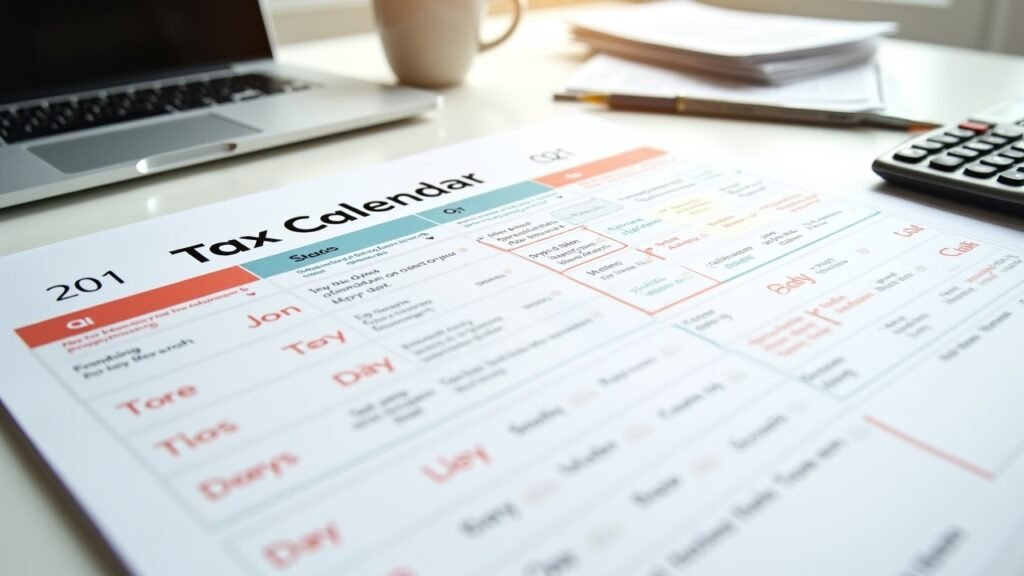
For the first year of freelancing, my “bookkeeping system” was a mess of screenshots and random notes on my phone. Don’t be like me. Get yourself a proper expense tracking tool from day one.
Wave is free and honestly pretty great for freelancers just starting out. If you want something more robust, QuickBooks Self-Employed is worth every penny and it even helps categorize deductions automatically. The point is, pick something and actually use it consistently.
Track everything — your home office deduction, software subscriptions, that coworking space membership, internet bills, even mileage if you drive to meet clients. These freelance tax deductions add up fast and can save you hundreds, sometimes thousands of dollars when filing time comes around.
Building an Emergency Fund on Irregular Income
This one’s tricky because freelance income is wildly inconsistent. One month you’re flush, the next month crickets. I had a stretch in 2020 where three clients paused projects simultaneously and I literally had $400 to my name.
Aim for three to six months of essential living expenses saved up. I know that sounds like a lot when you’re just getting started, but even starting with $50 per invoice builds the habit. The peace of mind is absolutely worth the discipline.
A high-yield savings account through something like Marcus by Goldman Sachs works perfectly for this because your money actually earns a bit while it sits there waiting for a rainy day.
Your Freelance Financial Journey Starts Now
Look, managing money as a self-employed person isn’t always intuitive and nobody hands you a manual when you start. But separating accounts, saving for taxes, tracking expenses, and building that safety net — these fundamentals will keep your freelance career alive long enough to actually thrive.
Every freelancer’s situation is a little different, so take what works here and adapt it to your own life. And hey, if you found this helpful, head over to Money Mythos for more practical tips on building real financial confidence — whether you’re freelancing, side hustling, or just trying to get your money right!