Advertisements
Here’s something wild – according to recent data from Caring.com, about 67% of Americans don’t have a will or any estate planning documents! That’s literally two-thirds of us walking around thinking we’re invincible or that our families will just “figure it out” when we’re gone. I used to be one of those people, honestly.
Look, I get it. Thinking about your own mortality is about as fun as a root canal. But here’s the thing – estate planning isn’t really about death, it’s about protecting the people you love and making sure your hard-earned assets go exactly where you want them to go.
Why I Finally Got My Act Together
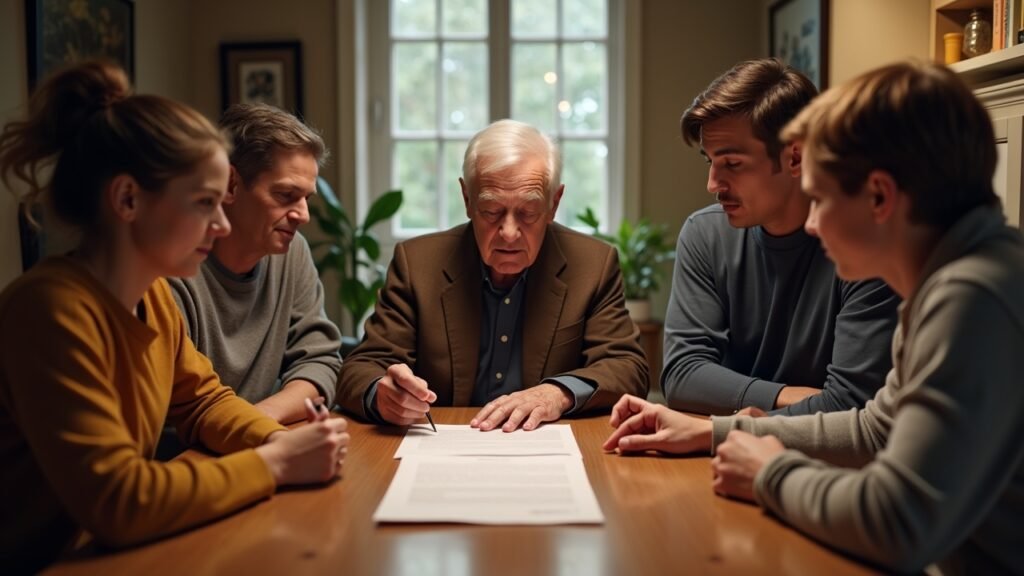
I’ll be real with you. I put off estate planning for years. Every time my spouse brought it up, I’d say “yeah, yeah, we’ll do that next month” and then promptly forget about it.
Then my uncle passed away suddenly at 52. No will, no nothing. The family drama that followed was absolutely brutal, and it could’ve been completely avoided with just a few documents in place. Watching my cousins fight over stuff that didn’t even matter broke my heart, and it was the wake-up call I needed.
The Must-Have Documents (AKA The Non-Negotiables)
After going through that mess with my uncle’s estate, I became kind of obsessed with getting my own affairs in order. Here’s what you absolutely need, like yesterday:
Last Will and Testament
This is your chance to be the boss even after you’re gone! Your will specifies who gets what – your house, your vintage comic book collection, that random savings account you forgot about. More importantly, if you’ve got kids, this is where you name guardians for them.
I remember sitting at our kitchen table with my wife, trying to decide who’d take care of our kids if something happened to both of us. Not gonna lie, I ugly cried. But man, the relief we felt after making that decision was incredible.
Power of Attorney
This document lets someone make financial decisions for you if you can’t. Think of it like giving someone the keys to your financial kingdom, but only when you’re unable to use them yourself. I chose my brother for this role because he’s good with money and wouldn’t take advantage of the situation.
Pro tip: make sure the person you choose actually knows where your important documents are kept! I made a whole binder with tabs and everything – my wife says it’s very “extra” but whatever, at least she’ll know where to find stuff.
Healthcare Directive and Living Will
This one’s heavy, but super important. These documents outline your wishes for medical care if you can’t communicate them yourself. Do you want to be on life support? What about organ donation? According to the National Institute on Aging, having these conversations early saves your family from making impossible decisions during the worst time of their lives.
Beneficiary Designations (The Sneaky Important Stuff)
Here’s something that tripped me up big time. Your retirement accounts, life insurance policies, and some bank accounts have beneficiary designations that override your will! I actually had an old 401(k) from a job I left ten years ago that still listed my ex-girlfriend as the beneficiary. Yikes.
Take an afternoon and review all your accounts. Update those beneficiaries. It took me about two hours total, but it would’ve saved my family from a seriously awkward situation down the road.
Don’t Forget the Digital Stuff
This is something our parents didn’t have to worry about, but we’ve got passwords for like, everything. I created a secure password manager account and shared access with my spouse. All our important login info is there – banking, email, social media, even where I hide my crypto wallet info.
Some people use services specifically designed for digital estate planning, but honestly, a good password manager with shared access works great for most folks.

Time to Take Action
Look, I’m not gonna sugarcoat it – getting your estate planning done takes effort. But the peace of mind? Totally worth it. Start with the basics: get a will drafted, update your beneficiaries, and have those tough conversations with your loved ones about what you want.
You don’t need to be rich to need estate planning, and you don’t need to be old either. If you’ve got people you care about or stuff you’ve worked hard for, you need a plan. Period.
Want more practical advice on managing your money and protecting your family’s future? Head over to Money Mythos where we break down complex financial topics into real, actionable advice that actually makes sense. No jargon, no BS – just straight talk about money matters that affect real people like us.