Advertisements
How to Prepare for Natural Disasters Financially (Before It’s Too Late)
Here’s a stat that honestly kept me up at night: NOAA reported 28 separate billion-dollar weather disasters in the U.S. in 2023 alone. Twenty-eight! When I first read that, I thought about how unprepared I was when a massive storm knocked out power in my neighborhood for nearly two weeks back in 2019. The physical damage was bad enough, but the financial hit? That’s what really stung.
Look, nobody wants to think about disasters. But preparing for natural disasters financially is one of those things that separates the folks who bounce back from the ones who spiral into debt. I learned this the hard way, and I’m gonna walk you through what I wish someone had told me years ago.
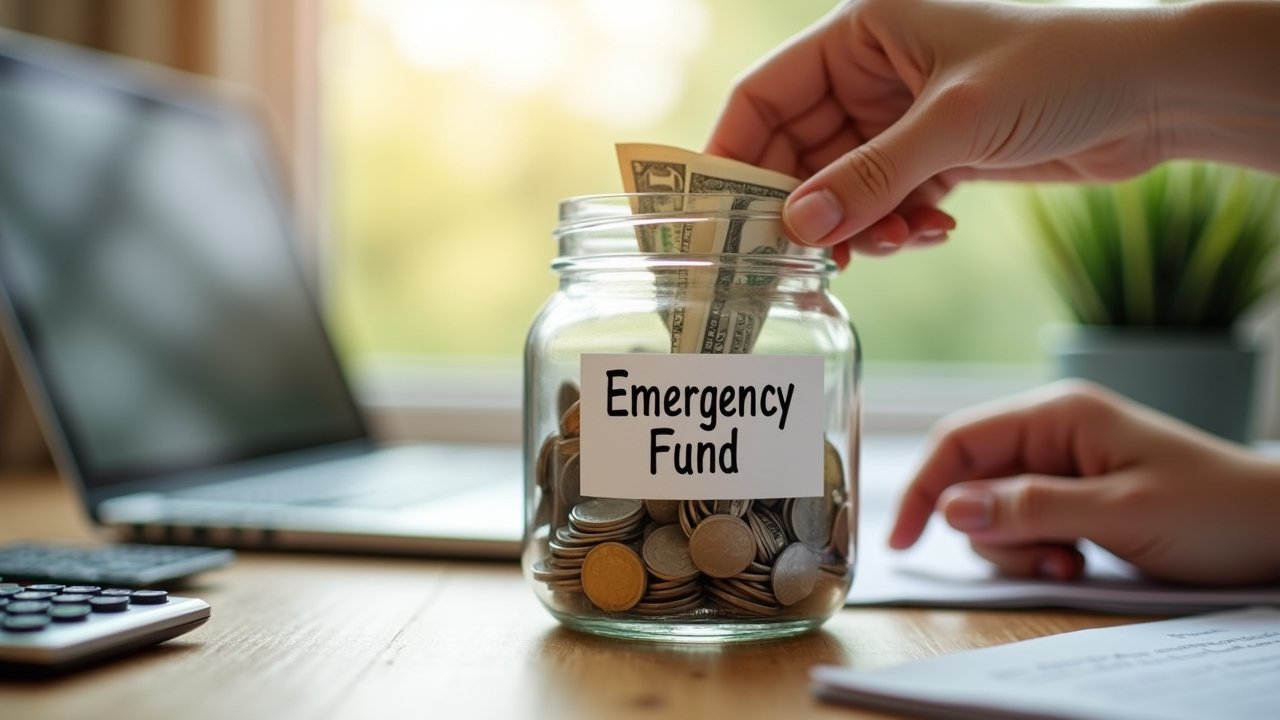
Build an Emergency Fund That Actually Works
I know, I know — you’ve heard “build an emergency fund” a million times. But here’s where I messed up: I had about $500 tucked away and thought I was golden. Spoiler alert, I was not.
Most financial experts recommend having three to six months of living expenses saved up. During a disaster, though, you might need cash for temporary housing, food, gas, and stuff you never even considered — like boarding your pets or replacing medications. Start small if you have to, even $50 a paycheck adds up faster than you’d think.
One thing that really helped me was opening a separate high-yield savings account specifically labeled “disaster fund.” Keeping it separate from my regular savings meant I wasn’t tempted to dip into it for pizza nights. Bankrate has a solid list of high-yield savings accounts if you need a starting point.
Review Your Insurance Coverage (Seriously, Do It Today)
This is where things got painful for me personally. After that 2019 storm, I filed a homeowners insurance claim only to discover that flood damage wasn’t covered. I just assumed it was included. It wasn’t.
Take an afternoon and actually read your policy. Standard homeowners insurance typically doesn’t cover floods or earthquakes, so you might need separate policies. FEMA’s National Flood Insurance Program is worth looking into if you’re in a flood-prone area.
Also, consider renter’s insurance if you’re renting — it’s shockingly cheap, usually around $15-$30 a month. And while you’re at it, make sure your coverage amounts actually reflect what it would cost to replace your belongings at today’s prices. Stuff gets more expensive every year, and your policy from 2018 probably doesn’t cut it anymore.
Create a Financial Emergency Kit
Okay so this might sound a little extra, but hear me out. When disaster strikes, ATMs go down, banks close, and card readers don’t work without power. Having physical cash on hand is kind of a big deal.
I keep about $500 in small bills — fives, tens, and twenties — in a waterproof bag inside my go-bag. You’d be surprised how many people overlook this. Beyond cash, your financial emergency kit should include:
- Copies of insurance policies and policy numbers
- Bank account information and contact numbers
- A list of all monthly bills and creditors
- Copies of identification documents (driver’s license, passport, Social Security card)
- Recent tax returns
Store digital copies in a secure cloud service too. I use an encrypted folder in Google Drive, but there are plenty of options out there.
Know What Financial Help Is Available Before You Need It
After a federally declared disaster, FEMA’s disaster assistance programs can provide grants for temporary housing, home repairs, and other serious needs. But here’s the thing — the application process takes time, and funds don’t show up overnight.
Many people don’t realize that the SBA also offers low-interest disaster loans to homeowners, renters, and businesses. Knowing these resources exist before you’re in crisis mode saves you so much stress. Trust me on this one.
Your Future Self Will Thank You
Preparing for natural disasters financially isn’t exactly a fun Saturday activity. But every single step you take now — whether it’s stashing an extra $20, updating your insurance, or backing up important documents — is a gift to your future self. Customize these tips to fit your situation, your region, and your budget.
The worst time to figure out your financial disaster plan is during the disaster itself. Start today, even if it’s just one small step. And if you’re looking for more practical money tips, head over to Money Mythos — we’ve got plenty of posts to help you build a stronger financial foundation, one smart move at a time.