Advertisements

Municipal Bonds Guide: What I Wish Someone Told Me Before I Invested
Here’s a wild stat that blew my mind — there’s over $4 trillion sitting in the municipal bond market right now. Four. Trillion. And yet, when I first started exploring fixed-income investing about eight years ago, I had absolutely no clue what a muni bond even was. Honestly, I thought bonds were just for retirees and boring finance guys in gray suits.
Boy, was I wrong. Municipal bonds turned out to be one of the smartest additions to my portfolio, and I genuinely believe more people need to understand them. So consider this your no-nonsense municipal bonds guide — the one I desperately needed back when I was fumbling through my first brokerage account.
What Are Municipal Bonds, Exactly?
Municipal bonds — or “munis” as the cool kids call them — are basically loans you give to state and local governments. They use that money to build stuff like highways, schools, hospitals, and water treatment plants. In return, they pay you interest, usually on a set schedule.
There are two main types you’ll run into. General obligation bonds are backed by the full taxing power of the issuing government, which makes them pretty safe. Revenue bonds, on the other hand, are backed by income from a specific project, like a toll road or a public utility.
I remember mixing these two up constantly when I started. It caused me some unnecessary anxiety during my first purchase because I didn’t realize the revenue bond I bought was tied to a hospital system’s earnings — not the city’s general budget.
The Tax Advantage That Hooked Me
Okay, this is the big one. The interest you earn on most municipal bonds is exempt from federal income tax. And if the bond was issued in your home state? You might dodge state and local taxes too. That’s what they call “triple tax-exempt,” and it’s basically the holy grail for investors in higher tax brackets.
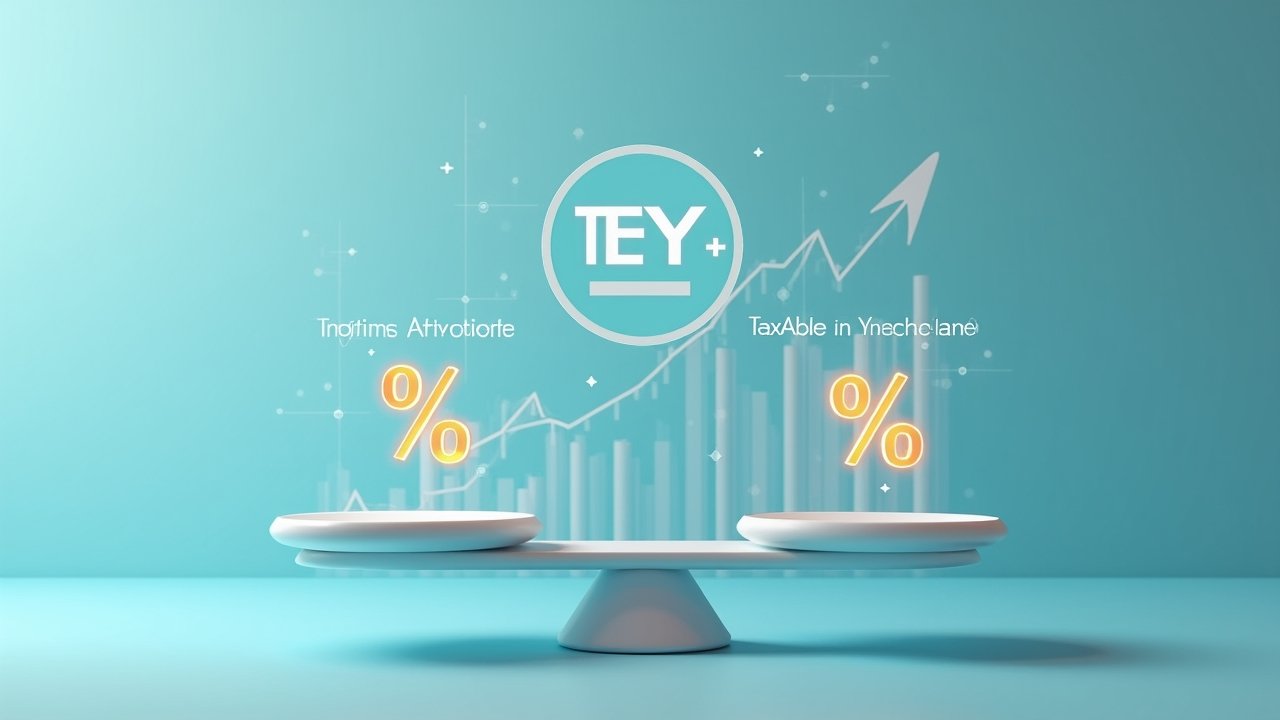
When I first calculated my tax-equivalent yield, I literally did a double take. A muni yielding 3.5% was effectively giving me more than a taxable bond at 5% because of my marginal tax rate. That was my “aha” moment, for real.
Now, not every muni is tax-exempt — some are taxable munis, and private activity bonds can sometimes trigger the alternative minimum tax. So always double-check before you buy.
Risks I Learned About the Hard Way
Let’s not pretend munis are risk-free, because they ain’t. I got a little too comfortable early on and didn’t pay enough attention to credit risk. Most municipal bonds are incredibly safe, sure. But defaults do happen — just ask anyone who held Detroit bonds in 2013.
Interest rate risk is another thing that bit me. When rates started climbing in 2022, the market value of my longer-duration munis dropped noticeably. I wasn’t planning to sell, so it worked out fine, but it was stressful watching my portfolio value dip.
Here are the main risks to keep on your radar:
- Credit risk — the issuer might default on payments
- Interest rate risk — bond prices fall when rates rise
- Liquidity risk — some munis are harder to sell quickly
- Call risk — the issuer might pay you back early, usually when rates drop
Quick Tip: Check the Ratings
Always look at the credit rating from agencies like Moody’s or S&P before buying. I aim for investment-grade bonds rated BBB or higher. It’s been added to my checklist after that one sketchy revenue bond I almost purchased without doing my homework — the rating was sitting at BB, and I nearly missed it.
How to Actually Buy Municipal Bonds
You’ve got options here. You can buy individual bonds through a brokerage account, which gives you more control but requires more research. Or you can go the easier route with municipal bond funds or ETFs like the Vanguard Tax-Exempt Bond ETF (VTEB).
Personally, I do a mix of both. Individual bonds for my core holdings and a muni fund for broader diversification. It ain’t perfect, but it works for me.
Your Next Move
Municipal bonds won’t make you rich overnight, but they can be a rock-solid part of a diversified, tax-smart investment strategy. The key is doing your research, understanding the risks, and matching your bond choices to your own financial situation and tax bracket.
Every investor’s situation is different, so tweak this information to fit yours. And hey, if you found this helpful, head over to Money Mythos for more guides that break down finance topics without all the Wall Street jargon. We’ve got plenty more where this came from!