
How to Teach Kids Money: Lessons I Wish I’d Started Way Earlier

Advertisements
Here’s a stat that honestly kept me up at night: according to a Cambridge University study, kids form their basic money habits by age seven. Seven! I remember reading that and thinking, “Well, my oldest is already nine — did I totally blow it?” Spoiler: I didn’t. But man, I wish someone had given me a roadmap for teaching kids about money before I was scrambling to catch up.
Financial literacy for children isn’t just a nice-to-have anymore. It’s genuinely one of the most important life skills we can pass along, right up there with teaching them to cook and look both ways before crossing the street. So let me walk you through what’s actually worked in my house — and a few things that flopped spectacularly.
Start With the Basics: What Even Is Money?
I made the mistake of assuming my kids understood what money was just because they’d seen me tap my card at the grocery store. Turns out, to a five-year-old, a debit card is basically magic. There’s no connection between the plastic rectangle and actual work.
So we went old school. I started using cash for small purchases so my kids could physically see money leaving our hands. We’d count coins together at the kitchen table, which sounds boring, but they were weirdly into it. The U.S. Mint’s website for kids actually has some cool games that helped make it fun too.
The Allowance Debate: Yeah, We Tried It
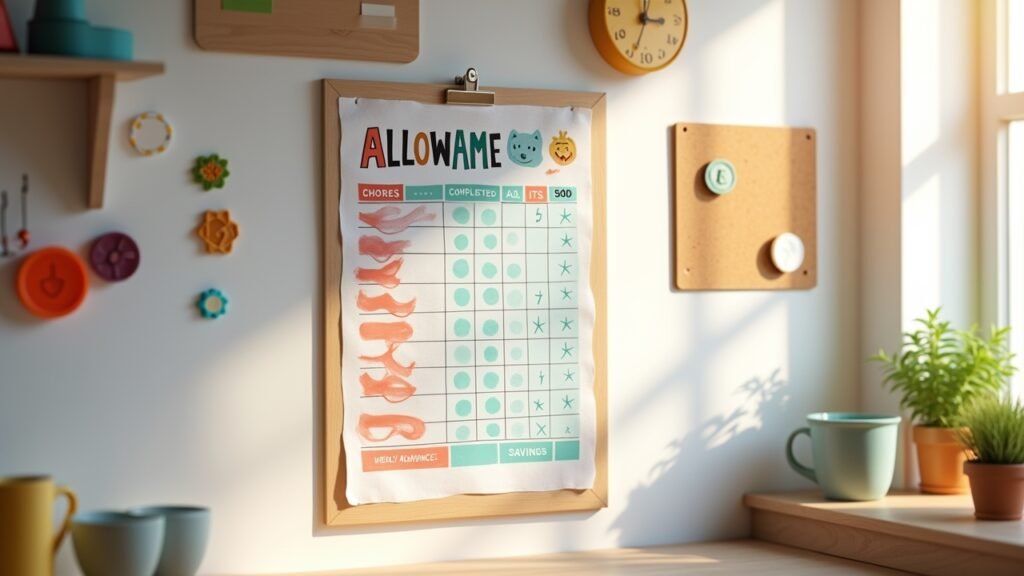
Okay, so the whole allowance thing is kind of controversial among parents. Some folks tie it to chores, some give it unconditionally, and some skip it entirely. We landed somewhere in the middle after a lot of trial and error.
My kids get a small weekly allowance that’s not tied to basic household responsibilities — because honestly, everyone in the family should help clean up, period. But they can earn extra money through bonus tasks like washing the car or organizing the garage. This approach taught them that money is earned, not just handed out, and that’s a lesson in financial responsibility I think sticks.
The Three-Jar System That Actually Works
I picked this up from a parenting blog years ago and it’s been a game changer. We got three clear jars and labeled them: Save, Spend, and Give. Every time the kids get money — allowance, birthday cash, whatever — they split it between the three jars.
My daughter saved up for months to buy a pair of roller skates. The look on her face when she handed over her own money at the register? Priceless. That’s the kind of delayed gratification lesson you just can’t teach with a lecture. The “Give” jar was also surprisingly impactful — my son chose to donate his to a local animal shelter, and it opened up this whole conversation about generosity and budgeting for kids.
Make It Real With a Kid-Friendly Bank Account
Once the jar system was rolling, we leveled up. I opened a kids’ savings account at our local bank so my oldest could see how saving money works in the real world. Watching her balance grow — even by tiny amounts — was like a light bulb going off.
We also started playing money management games at home. Monopoly is a classic for a reason, but there are also some great apps like Greenlight that teach children about spending and saving digitally. It ain’t perfect, but it bridges the gap between physical cash and the card-tapping world they actually live in.
Talk About Your Own Money (Even the Messy Parts)
This one was hard for me. I grew up in a household where money talk was basically taboo. But I’ve learned that being somewhat transparent with your kids about household finances — in an age-appropriate way — normalizes the whole topic.
I’ll say things like, “We’re choosing not to eat out this week because we’re saving for our vacation.” No doom and gloom, just honest decision-making. Kids pick up on that stuff way more than we think.
It’s Never Too Late to Start
Look, if your kids are toddlers or teenagers, it doesn’t matter. The best time to teach kids about money was yesterday, but the second best time is right now. Start small, be consistent, and don’t stress about being perfect — I’ve fumbled plenty and my kids are still learning great habits.
Every family’s situation is different, so tweak these ideas to fit yours. Just remember that the goal isn’t raising tiny accountants — it’s raising kids who feel confident and comfortable around money. If you’re hungry for more practical tips like these, swing by the Money Mythos blog where we’re always digging into ways to build smarter financial habits for the whole family.