Credit Unions vs Banks: Which One Actually Deserves Your Money in 2024?
Advertisements
Here’s a stat that honestly blew my mind — according to the National Credit Union Administration, credit unions saved their members over $16 billion in better rates and lower fees last year alone. Sixteen billion! And yet, most people I talk to have never even considered joining one.
I’ll be honest, for years I was a loyal big bank customer. I thought that’s just what adults did. But after one too many surprise fees and a customer service experience that made me want to throw my phone across the room, I finally started digging into the whole credit unions vs banks debate — and what I found changed how I handle my finances completely.
So What’s the Actual Difference?
At its core, the difference comes down to who owns the thing. Banks are for-profit institutions owned by shareholders, meaning their primary goal is making money for investors. Credit unions, on the other hand, are nonprofit financial cooperatives owned by their members — that’s you, the account holder.
This ownership structure changes everything. It affects interest rates, fees, customer service, and even how decisions get made. When I first learned that every credit union member technically gets a vote in how the institution is run, I was kinda shocked nobody had told me this sooner.
Interest Rates and Fees: Where Your Wallet Feels It
Let me tell you about the moment I became a credit union convert. I was paying 19.99% APR on a credit card through my bank. My coworker mentioned her credit union card was sitting at 12%. I literally thought she was lying.
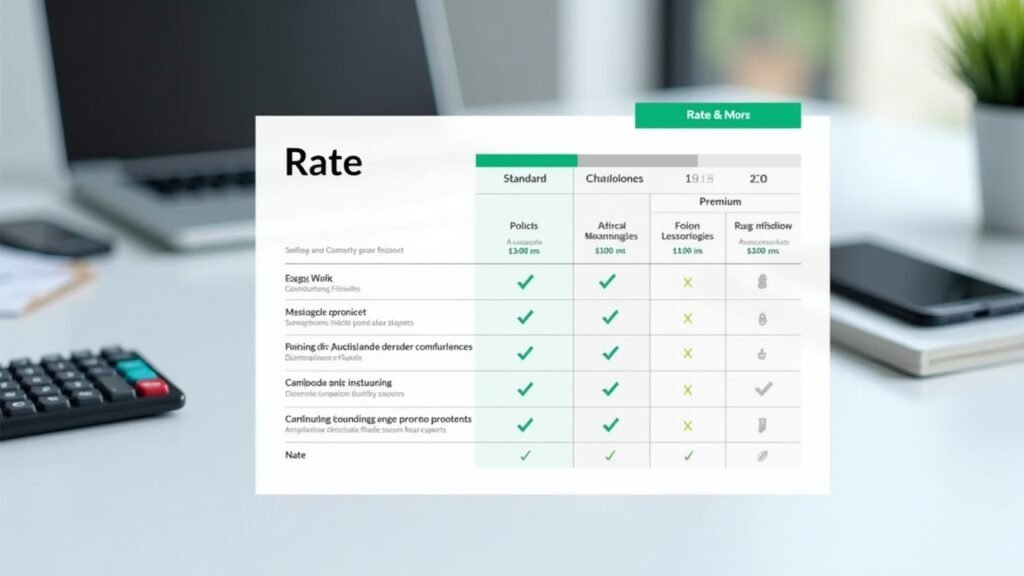
But she wasn’t. Credit unions typically offer higher savings account rates and lower loan rates because they’re not funneling profits to shareholders. According to Bankrate, the average credit union savings rate consistently beats what traditional banks offer. And those monthly maintenance fees that banks love charging? Many credit unions don’t bother with them at all.
That said, banks sometimes run promotional rates on things like high-yield savings accounts that can be pretty competitive. So it ain’t always a slam dunk for credit unions on every single product.
Convenience and Technology: Banks Still Have an Edge Here
Okay, I gotta be fair. One area where big banks absolutely crush it is convenience. When I first switched to a credit union, the mobile app was… rough. Like, early-2010s rough. And finding an ATM sometimes felt like a treasure hunt.
Major banks like Chase or Bank of America have thousands of branches and ATMs everywhere. Their apps are slick and feature-rich. Credit unions have been catching up though — many now participate in shared branching networks that give you access to thousands of locations nationwide, which was a game changer for me personally.
Most credit unions now offer solid mobile banking, online bill pay, and Zelle integration too. But if having cutting-edge fintech features is your top priority, larger banks still tend to get there first.
Customer Service: Night and Day, Honestly
This is where my experience gets personal. I once spent 47 minutes on hold with my bank trying to dispute a $35 overdraft fee. Forty-seven minutes. When I finally got someone, they basically read a script at me and said there was nothing they could do.
At my credit union? I called about a similar issue and talked to an actual human in under three minutes. She waived the fee, explained how to set up overdraft protection, and even noticed I could be getting a better rate on my auto loan. That kind of service is what happens when an institution sees you as a member-owner instead of just another account number.
Who Should Choose What?

- Choose a credit union if: you want lower fees, better rates on loans and savings, and you value personalized member service over flashy tech.
- Choose a bank if: you travel frequently, need extensive ATM access, want the latest banking technology, or require specialized financial products like international wire transfers.
- Consider both: nobody says you can’t have accounts at each! I keep a checking account at a bank for convenience and do my savings and borrowing through my credit union.
The Bottom Line on Your Bottom Line
Look, there’s no one-size-fits-all answer to the credit unions vs banks question. Your best choice depends on what you value most — whether that’s the lowest possible fees, the fanciest app, or a lender who actually knows your name. What matters is that you’re being intentional about where your hard-earned money lives.
Do your homework, compare what’s available in your area, and don’t be afraid to switch if something better fits your financial goals. And if you’re hungry for more tips on making smarter money decisions, head over to Money Mythos — we’ve got plenty more where this came from!