
The Ultimate Wedding Budget Guide: How I Learned the Hard Way So You Don’t Have To

Advertisements
Here’s a stat that still makes my jaw drop — the average cost of a wedding in the U.S. hit around $35,000 in 2023. Thirty-five thousand dollars! When my wife and I started planning our wedding back in the day, I genuinely thought we could pull off something beautiful for maybe ten grand. Spoiler alert: we were so, so wrong.
Having a solid wedding budget guide isn’t just helpful, it’s absolutely essential. Without one, you’ll find yourself spiraling into debt faster than you can say “open bar.” Trust me, I’ve been there, and I want to help you avoid the financial hangover that so many couples deal with after the big day.
Start With a Real Number, Not a Dream Number
The first mistake we made was pulling a budget out of thin air. We said “fifteen thousand” like it was some magic number, without actually looking at our savings, our income, or what family members were willing to chip in. It was basically wishful thinking disguised as planning.
So here’s what you should actually do. Sit down with your partner and lay out every dollar you’ve got saved, what you can realistically save each month before the wedding, and any contributions from family. That total? That’s your real budget.
Don’t forget to add a buffer of about 10-15% for unexpected costs. Because believe me, something unexpected always pops up. Ours was a last-minute tent rental because nobody checked the weather forecast — yeah, that was fun.
Break It Down: Where Does the Money Actually Go?
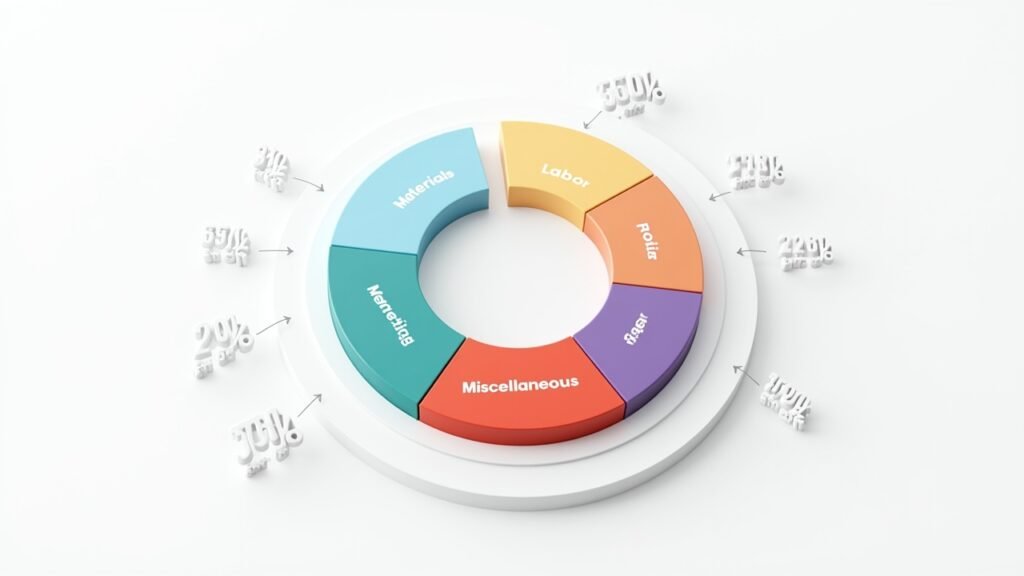
Once you’ve got your total number, it’s time to divvy it up. According to NerdWallet’s wedding budget breakdown, here’s roughly how most couples allocate their wedding expenses:
- Venue and catering: 40-50% of your total budget
- Photography and videography: 10-15%
- Music and entertainment: 5-10%
- Flowers and decor: 8-10%
- Wedding attire: 5-8%
- Stationery and invitations: 2-3%
- Miscellaneous (favors, tips, transportation): 5-10%
Now, these percentages aren’t set in stone. If having an incredible photographer matters more to you than fancy centerpieces, shift those dollars around! The whole point of a wedding cost breakdown is giving you a framework, not a prison.
The Sneaky Costs Nobody Warns You About
This is the part I wish someone had told me about. Hidden wedding costs are real, and they’ll eat your budget alive if you’re not careful.
Service charges and gratuity were a big one for us. Our venue tacked on an 18% service fee that was buried in the fine print of the contract. Then there were alteration costs for the dress, which ran about $400 more than expected. Oh, and postage for mailing invitations — sounds tiny, but it added up to over a hundred bucks.
Other sneaky expenses include marriage license fees, getting your dress preserved after the wedding, and overtime charges if your reception runs late. Write all of these down in a spreadsheet or use a free tool like Zola’s budget tracker to keep everything organized.
Where to Save Without Sacrificing the Vibe
Alright, here’s the good stuff — wedding savings tips that actually work. We saved a ton by choosing a Friday evening wedding instead of Saturday. The venue was literally 30% cheaper, and honestly, nobody cared what day it was once the music started playing.
Some other ideas that worked for us and friends I’ve helped plan since:
- Go with seasonal flowers instead of exotic ones — your florist will love you for it.
- Use a curated playlist instead of a live band for the cocktail hour.
- DIY your invitations using Canva — they looked amazing and cost almost nothing.
- Limit your guest list ruthlessly. Fewer guests means less food, fewer chairs, and a smaller venue.
Honestly, cutting the guest list was the single best financial decision we made. It was awkward at first, but our bank account thanked us later.
Your Budget, Your Rules
At the end of the day, your wedding budget plan should reflect what matters most to you and your partner. Don’t let social media pressure or family expectations push you into spending money you don’t have. A wedding is one day — your financial health lasts a whole lot longer.
Take these tips, customize them to fit your situation, and remember that being honest about money now will save you so much stress down the road. And if you want more practical money advice that actually makes sense, swing by Money Mythos for more posts just like this one. We’re all about helping you make smarter financial decisions — no judgment, just real talk.