Advertisements
Here’s something wild: according to SIFMA, the U.S. bond market is worth over $50 trillion! Yeah, you read that right. And yet, when I first started investing about seven years ago, I completely ignored bonds because I thought they were boring and complicated. Turns out, I was leaving a ton of stability on the table while chasing flashy stocks that gave me nothing but anxiety.
Learning about bond investing totally changed how I think about building wealth. It’s not just for retirees or super conservative investors—it’s actually a smart move for pretty much everyone who wants a balanced portfolio.
What Are Bonds, Really? (The Simple Version)
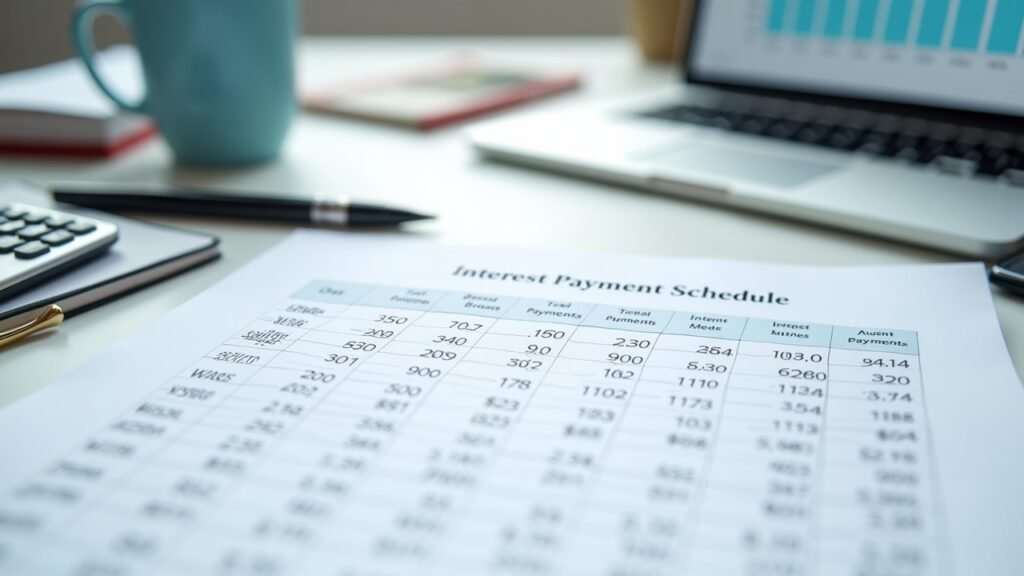
Okay, so bonds confused the heck out of me at first. But here’s how I finally got it: when you buy a bond, you’re basically loaning money to a company or government. They promise to pay you back with interest over a set period of time.
Think of it like this—remember when your buddy borrowed $50 and promised to pay you back $55 next month? That’s essentially a bond, except it’s formalized and tradeable. The borrower (called the issuer) needs cash now, and you get regular interest payments (called coupon payments) until they pay back the full amount (the principal) at maturity.
I wish someone had explained it that simply when I started!
My First Bond Mistake (Learn From My Stupidity)
So I jumped into bond investing without doing my homework—classic me. I bought some corporate bonds from a company I’d never researched because the yield looked amazing. Like, way better than government bonds.
Turns out there was a reason for that high yield. The company’s credit rating was garbage, and within a year, they were struggling financially. I didn’t lose everything, but I learned a hard lesson: higher yields often mean higher risk. That’s called the risk-return tradeoff, and it’s super important in fixed income investing.
Types of Bonds You Should Know About
There’s actually a bunch of different bond types out there. Here’s what I’ve learned works for beginners:
- Treasury Bonds: These are issued by the U.S. government and are considered the safest. The returns aren’t huge, but you can sleep at night knowing your money’s secure.
- Corporate Bonds: Companies issue these to raise capital. They typically offer higher yields than Treasuries but come with more risk depending on the company’s financial health.
- Municipal Bonds: State and local governments issue these, and here’s the cool part—the interest is often tax-free! I discovered these way too late.
- Bond Funds: Instead of picking individual bonds, you buy into a fund that holds a bunch of different bonds. Great for diversification when you’re just starting out.
Understanding Bond Prices and Interest Rates (This Tripped Me Up)
Here’s something that confused me for way too long: bond prices and interest rates move in opposite directions. When interest rates go up, existing bond prices go down, and vice versa.
I remember panicking when the Federal Reserve started raising rates and my bond values dropped. But then I realized something—if you hold the bond until maturity, you still get your full principal back plus all the interest payments. The price fluctuation only matters if you’re trying to sell before maturity.
That was a total lightbulb moment for me!
How I Actually Started Buying Bonds
The practical stuff is where things get real. You’ve got several options for purchasing bonds, and honestly, each has its pros and cons.
I started with TreasuryDirect for government bonds because it’s straightforward and there’s no commission. You can buy Treasury bonds, bills, and notes directly from the government without a middleman taking a cut. For corporate and municipal bonds, I use my regular brokerage account.
Bond funds and ETFs are another route that worked great when I was building my foundation. The Vanguard Total Bond Market ETF gave me instant diversification across thousands of bonds without needing a huge amount of capital.
The Yield Curve Isn’t As Scary As It Sounds
I avoided learning about the yield curve for years because it sounded like something only finance nerds needed to understand. Wrong! It’s actually pretty useful for beginners.
The yield curve just shows the relationship between bond yields and their maturity dates. Normally, longer-term bonds pay higher interest rates because you’re locking up your money for more time. But sometimes this inverts, and that can signal economic trouble ahead—though honestly, trying to time the market based on this stuff gave me more headaches than wins.
Building Your Bond Ladder (My Favorite Strategy)
Bond laddering is hands-down one of the smartest things I learned. You basically buy bonds with different maturity dates—say, one maturing in 1 year, another in 2 years, another in 3 years, and so on.
As each bond matures, you reinvest that money into a new bond at the top of your ladder. This gives you regular access to your cash while maintaining a steady income stream. Plus, it protects you from interest rate risk because you’re not stuck with all your money locked up at one rate.

Your Next Steps
Look, bond investing isn’t rocket science, but it does require some patience and willingness to learn. Start small, maybe with a bond fund or some Treasury bonds, and see how it feels. Don’t make my mistake of chasing yields without understanding the risks involved.
The beautiful thing about bonds is they add stability to your portfolio that stocks just can’t provide. During those crazy market swings we’ve seen the past few years, my bond holdings kept me from making panic decisions with my stock investments.
Remember, every investor’s situation is different, so customize this information to fit your own goals and risk tolerance. And hey, always do your own research before throwing money at anything—even “safe” investments deserve your attention and understanding.
Want to learn more about building a solid financial foundation? Head over to Money Mythos where we break down complex money topics into real talk you can actually use. We’ve got tons of articles that’ll help you level up your investing game!