Advertisements
How to Save Money on Groceries Without Losing Your Mind
Here’s a number that honestly made me choke on my coffee: the average American family spends over $475 a month on groceries, according to the Bureau of Labor Statistics. Four hundred and seventy-five bucks! I remember a few years back when I looked at my bank statement and realized I was blowing way more than that — easily $600 some months — and I had no clue where it was all going.
That was my wake-up call. Learning to save money on groceries has honestly been one of the biggest game-changers for my personal finances. And the best part? You don’t have to start clipping coupons like it’s a part-time job or eat nothing but rice and beans.
The Meal Planning Thing (Yes, It Actually Works)
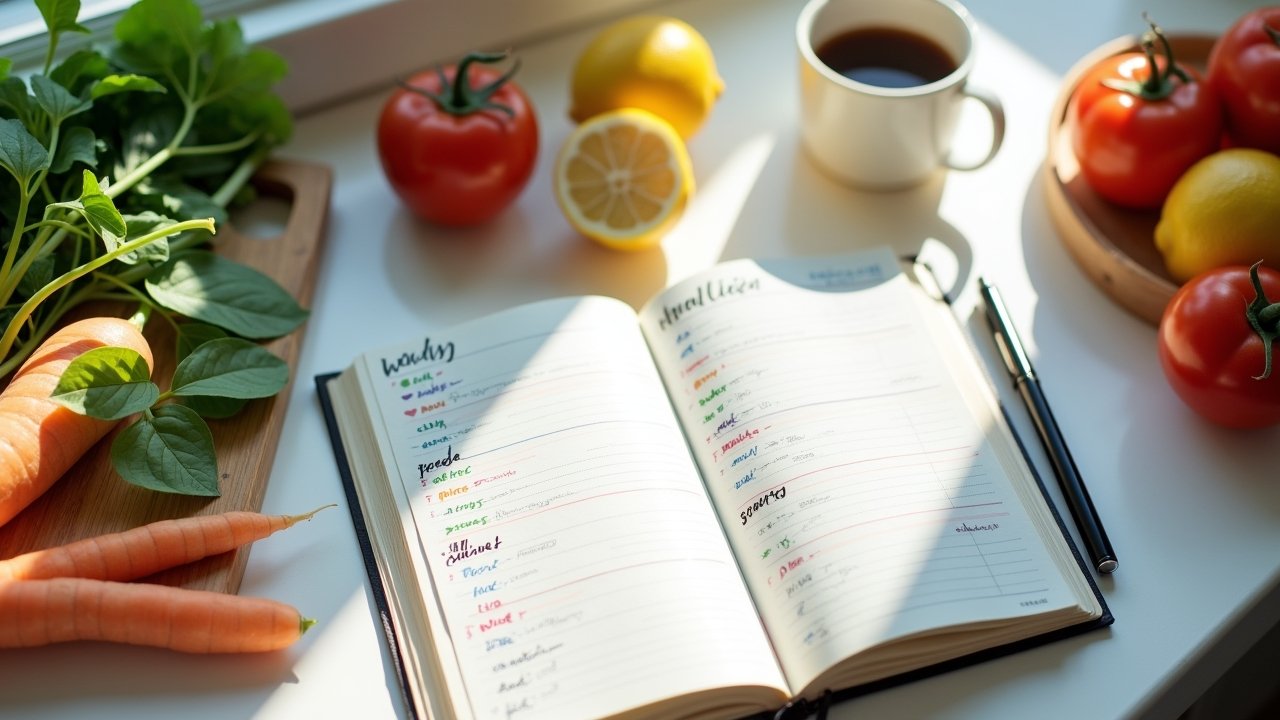
I’ll be real — I resisted meal planning for years. It sounded so boring, so “adult.” But then one Sunday I sat down, spent maybe 20 minutes writing out what I wanted to eat for the week, and built a grocery list around it.
That week I spent $87 instead of my usual $150-ish. I was honestly shocked. Turns out, when you walk into a grocery store without a plan, you just grab stuff randomly, and half of it ends up rotting in the back of your fridge.
A simple meal plan doesn’t have to be fancy. I use a free app called Mealime that generates recipes and shopping lists for you. Game changer, seriously.
Stop Shopping When You’re Hungry (I Learned This the Hard Way)
Okay, this sounds like the most basic advice ever, but I cannot stress it enough. One time I went to the store absolutely starving after skipping lunch. I came home with two bags of chips, a rotisserie chicken I ate in the car, fancy cheese I never touched, and zero actual ingredients for dinner that week.
Your grocery budget doesn’t stand a chance against an empty stomach. Eat a snack before you go. Even a banana or a handful of crackers will save you from impulse buys.
Buy Store Brands — They’re Literally the Same Stuff
This was a revelation for me. For years I was loyal to name-brand everything because, I dunno, marketing works? But then a friend who works in food manufacturing told me that store-brand products are often made in the exact same factories as the big names.
Switching to store brands on staples like canned goods, pasta, cereal, and frozen vegetables has saved me roughly 20-30% on my grocery bill. That adds up fast. Consumer Reports has actually tested tons of store brands and found many are just as good — sometimes better — than their pricier counterparts.
The Freezer Is Your Best Friend
I used to think freezing food was just for lazy people or doomsday preppers. Man, was I wrong. Now I buy meat in bulk when it’s on sale, portion it out, and freeze it. I do the same with bread, shredded cheese, and even fresh herbs.
Food waste is basically throwing money directly into the trash. The USDA estimates that 30-40% of the food supply in the U.S. gets wasted. So every time you toss those wilted greens you forgot about, that’s cash gone.
One trick I stumbled onto: freeze overripe bananas for smoothies. They’re sweeter and creamier than fresh ones, and you feel like a genius for not wasting them.
Use Cashback and Rebate Apps
This one feels almost like cheating. Apps like Ibotta and Fetch Rewards give you cashback on groceries you’re already buying. I’ve earned over $200 in the past year just by scanning my receipts. It takes maybe 30 seconds.
It ain’t gonna make you rich, but hey — free money is free money. Combine that with store loyalty programs and sales, and you’re stacking discounts without really trying.
Your Wallet Will Thank You Later
Look, saving money on groceries isn’t about deprivation. It’s about being a little smarter with the choices you’re already making every week. Start with one or two of these tips and build from there — what works for my family might look different for yours, and that’s totally fine.
Just remember that small changes compound over time. That extra $100 a month could go toward an emergency fund, a vacation, or paying down debt. If you’re looking for more ways to stretch your dollar and build better money habits, check out more posts on Money Mythos — we’re all about making this stuff feel doable, not overwhelming.