Advertisements
Why I Finally Moved My Money to a High Yield Savings Account Online (And Kicked Myself for Not Doing It Sooner)
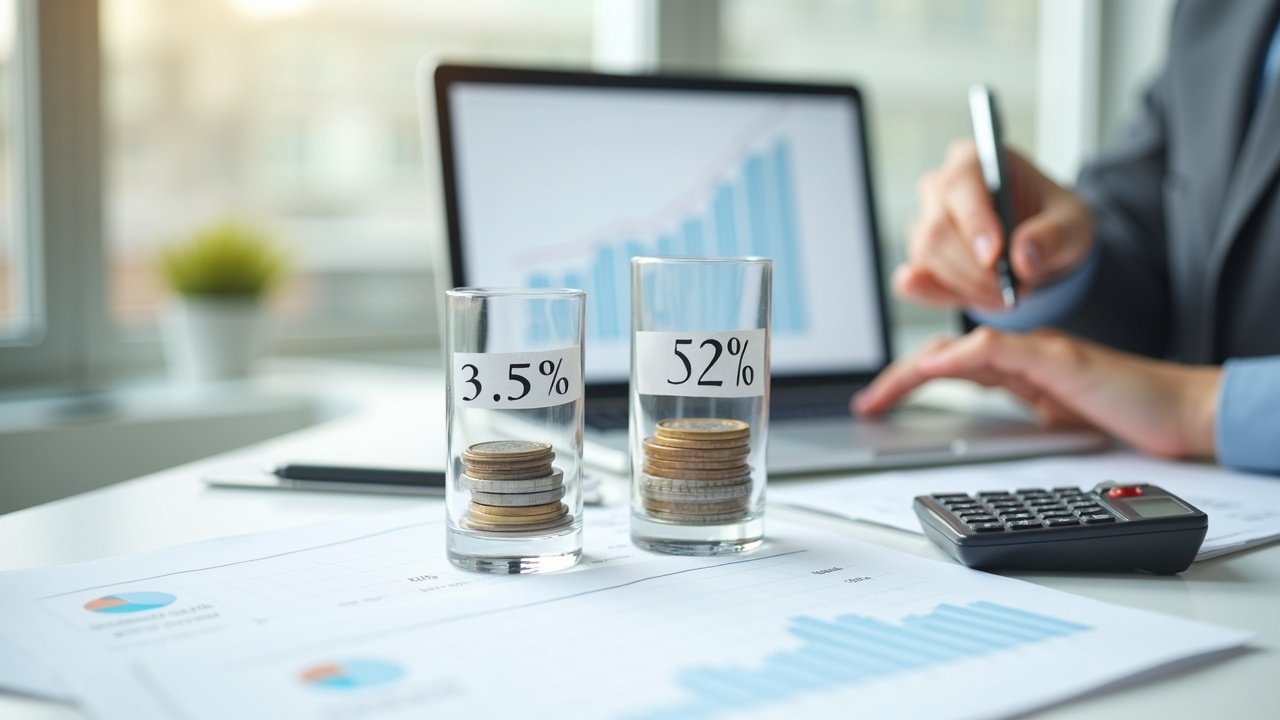
Here’s a stat that honestly made me a little sick to my stomach: the national average savings account interest rate is just 0.01% APY. Meanwhile, the best high yield savings accounts online are offering rates above 5%. I was literally leaving hundreds of dollars on the table every single year, and I had no clue!
Look, I’m a pretty practical person. I teach eighth graders about budgeting and financial literacy, for crying out loud. But for the longest time, my emergency fund was just sitting in a traditional savings account at my local brick-and-mortar bank earning basically nothing. The moment I discovered online savings accounts with competitive interest rates, everything changed.
What Exactly Is a High Yield Savings Account Online?
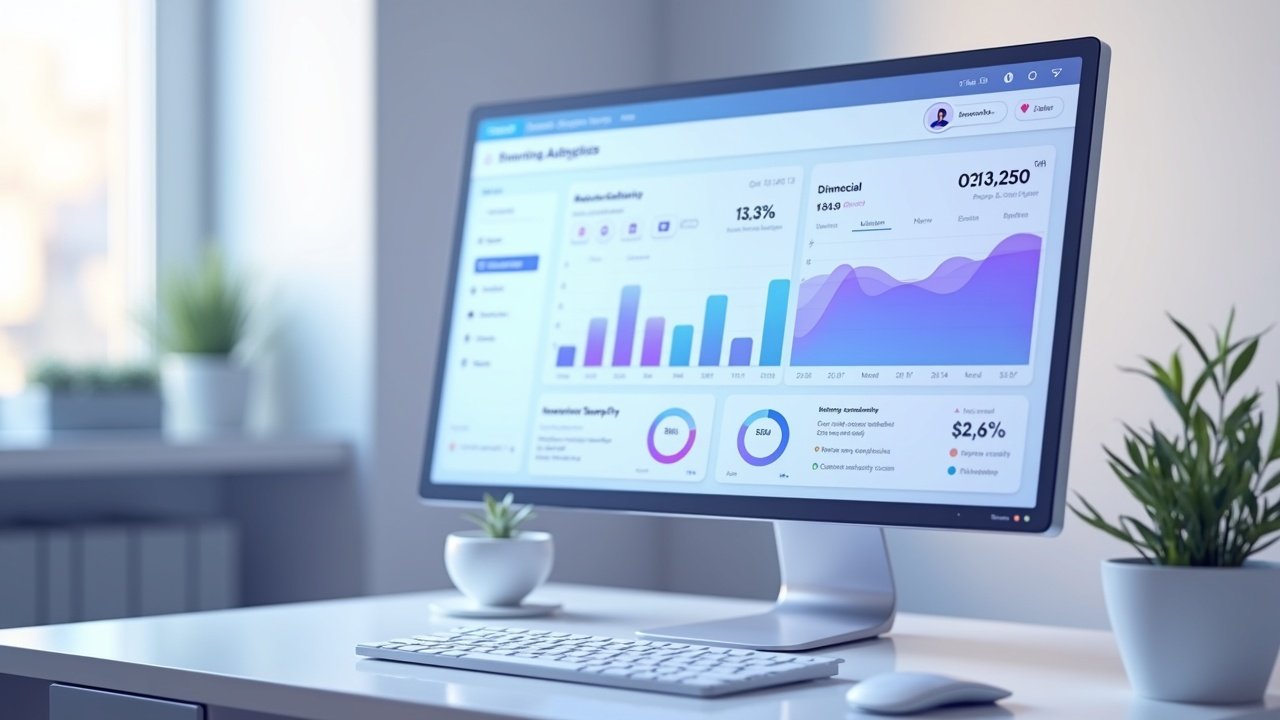
So let me break this down real simple. A high yield savings account online is basically a savings account offered by an online bank or financial institution that pays you a significantly higher annual percentage yield than your typical bank down the street. We’re talking sometimes 10 to 50 times more interest on your deposits.
The reason these online banks can offer better rates is because they don’t have the overhead costs of maintaining physical branches. No fancy lobbies, no free lollipops at the teller window. That savings gets passed directly to you in the form of higher APY rates, which is pretty sweet if you ask me.
My Embarrassing Wake-Up Call
I’ll be honest with you — I avoided online banking for years because it felt sketchy. Like, where’s the building? Where do I go if something goes wrong? It was kind of irrational, looking back on it now.
Then my colleague Sarah casually mentioned she’d earned over $800 in interest last year just from her high yield online savings account. My jaw literally dropped. I checked my own savings account statement that night and saw I’d earned $4.12 for the entire year. Four dollars and twelve cents. I was done being stubborn.
How to Pick the Right One for You
Not all high yield savings accounts are created equal, and I learned this the hard way. I initially opened an account that had a great teaser rate but dropped significantly after three months. So here’s what I’d recommend looking for:
- A consistently competitive APY that isn’t just a promotional rate
- FDIC insurance (this is non-negotiable — your deposits should be insured up to $250,000)
- No monthly maintenance fees or minimum balance requirements
- Easy transfers between your checking account and the savings account
- A solid mobile app with good user reviews
Banks like Marcus by Goldman Sachs, Ally Bank, and Capital One 360 have been consistently ranked among the best high yield savings accounts available. I personally went with Ally and have been really happy with the experience so far.
The Stuff Nobody Tells You
Okay, here’s where I gotta keep it real. There are a few quirks about online savings accounts that caught me off guard. First, transfers aren’t always instant. Moving money from my online savings to my regular checking account sometimes took 1-2 business days, which was mildly annoying when I needed cash fast.
Also, interest rates are variable. That 5% APY you signed up for? It can change. The Federal Reserve’s decisions on interest rates directly impact what these banks offer. So don’t go building your entire financial plan around one specific rate staying forever.
One more thing — having your savings in a separate online bank actually helped me stop dipping into it. Out of sight, out of mind, you know? That little bit of friction became a surprisingly effective savings strategy.
Your Money Deserves to Work Harder
At the end of the day, opening a high yield savings account online was one of the easiest financial wins I’ve ever had. It took me about 15 minutes to set up, and now my emergency fund is actually growing in a meaningful way. I genuinely wish someone had sat me down and explained this years ago.
Do your own research though, because everyone’s financial situation is different. Compare rates, read the fine print, and make sure your chosen bank is FDIC insured. Your future self will thank you for it.
If you found this helpful, check out more practical money tips over at Money Mythos — we’re all about cutting through the noise and helping you make smarter moves with your money.